A conference gallery can be technically excellent and still be a headache to use. The morning after the event, whoever hired the photographer, whether a marketer, an event planner, or an agency, usually has a specific job: pull a handful of images, write a recap post, and get something out while the event is still fresh. If that means scrolling through hundreds of photos and finding nothing that works on its own, the coverage hasn’t done its job, no matter how good each frame looks.
If you’re hiring or briefing a conference photographer in Vancouver, two things separate great coverage from a pile of nice photos: whether the images are usable, and how the people in the room feel while they’re being taken. Most of this applies to any corporate event, but it matters most at conferences, where there are sponsors to account for and thousands of people who didn’t come to be photographed. Here is what to look for.
1. Everyone in the Frame Needs to Look Good
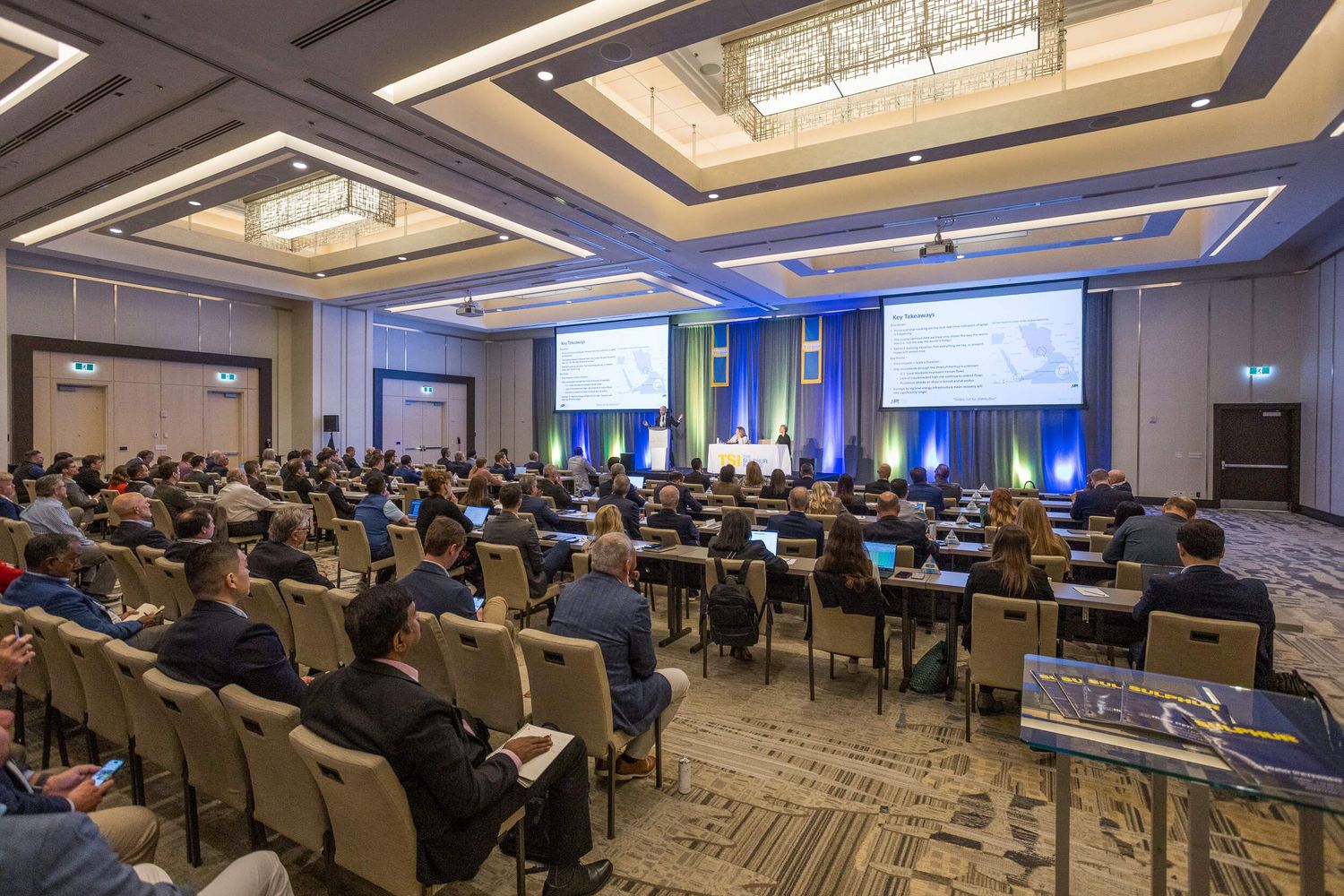
Picture a panel of five speakers. Four of them look sharp and engaged, and the fifth is midway through a sip of water. As a candid, it’s a perfectly honest moment. As a LinkedIn post or a recap image, it’s unusable, because the person pulling the photo has no way to fix it and no reason to run it. One weak face takes an otherwise strong frame out of circulation.
2. Shoot Branding in Context
Organizers and sponsors pay for logos, backdrops, and signage, and a photo only works as proof of that investment if the branding can be read in it. But a banner photographed on its own is rarely what a marketer wants to post. A clean frame of a sign with nobody near it reads as a record of the setup, not the event.
The stronger image puts the banner in the foreground with people around it: attendees chatting beside a booth, a group laughing in the background, a little soft but clearly engaged. The logo stays legible and the people tell the story. They should frame the branding, not cover it.

This starts before the event, with a clear list of which sponsors, signs, and backdrops need to be photographed and where they sit in the room. The sponsor side is covered in The Five People Event Photography Has to Satisfy at a Conference.
3. Match Coverage to Your Priorities
Conferences are full of things that are interesting to photograph and not very useful to the client, like a band or a performer. A few frames of each is reasonable. Fifty is not. Those images rarely get used, and they come at the expense of the attendees, sponsors, and moments that were the reason for the event in the first place.
A magician is a good example. It’s easy to take far more frames of the act than anyone will use, when a small handful is enough for attendees to relive the moment. The rest of the attention belongs on the people watching. The same goes for any performer or vendor, whether it’s a magician, a dancer, or anyone else. They set the scene and give the photo its context, but the attendees are the subject.

4. How People Feel Matters as Much as How They Look
How welcome a camera is depends on the event. At a black-tie gala or a holiday party, everyone has dressed to be seen and expects photos. A conference is a different room. Attendees arrive with their own agenda, whether that is sessions, meetings, or conversations, and being photographed is rarely part of it. At an event of thousands, the people who most want the photos are usually the organizers.
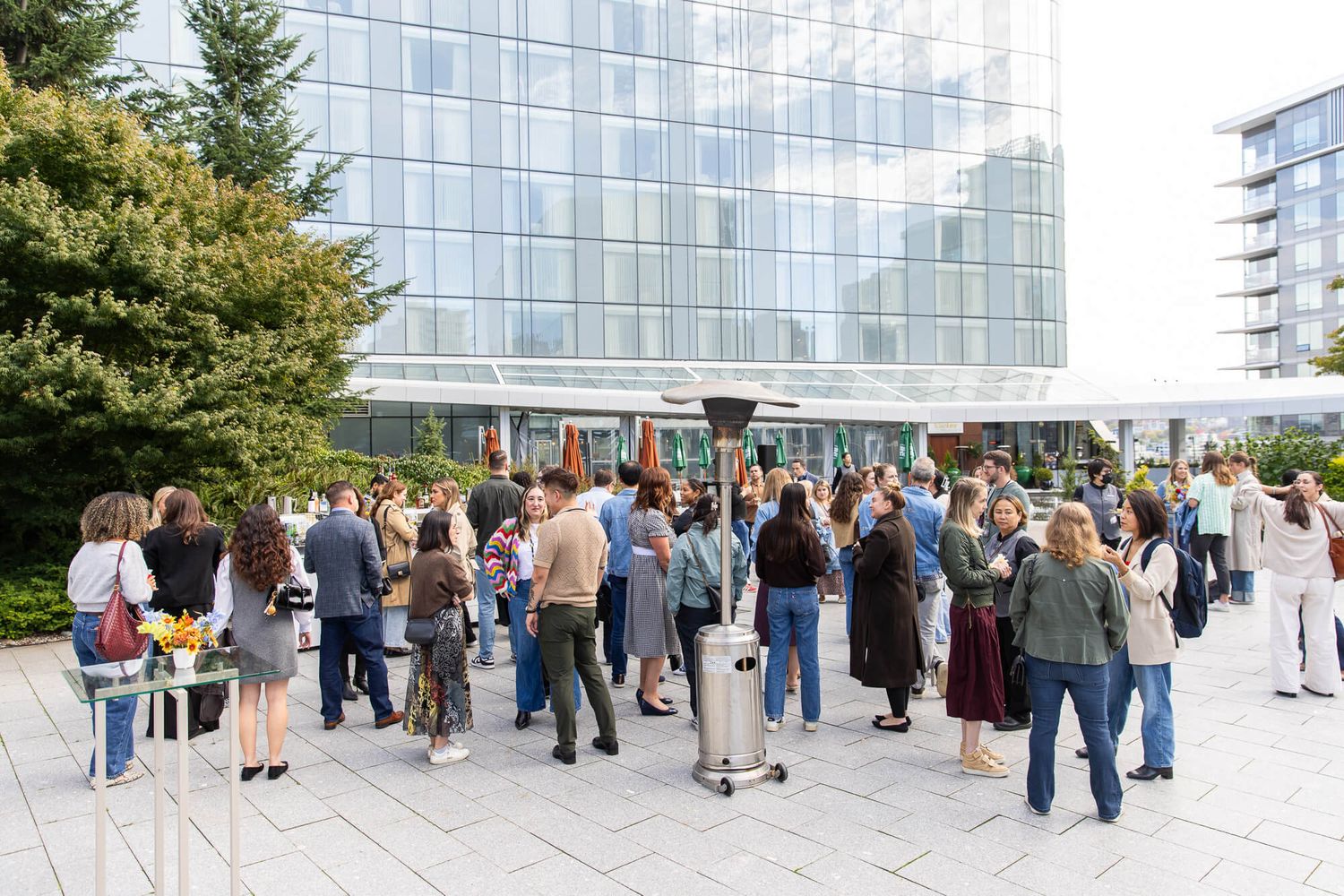
Few attendees will ask a photographer to back off. They show it instead: a glance at the lens mid-conversation, a slight turn away, a polite smile that doesn’t last. Take a candid of people networking during a break. It’s exactly the image a marketer wants, but a good photographer reads those signals, takes what they have, and moves on.
Flash is the clearest example of the trade-off. It usually makes the photo better, and in a full room it makes the experience worse. Each burst pulls attention away from the speaker or the conversation, and firing repeatedly at two people mid-discussion is hard to ignore. A good photographer will often accept a slightly less polished frame to keep attendees comfortable.
This matters beyond etiquette. For the day, the photographer is an extension of the client’s team, and every attendee who deals with them attaches that impression to the organization that hired them. How people feel around the camera can matter just as much as how they look in the frame.
Tell Your Photographer What the Photos Are For
The most useful thing you can give a photographer is the reason the photos exist. What is the marketing goal behind them? A recap post, a sponsor report, promotion for next year’s registration, a presentation to leadership? An experienced event photographer can take that and work out the rest: which moments to prioritize, how to frame the branding, how much time to give the entertainment, and when to give people space. A shot list covers what you thought of in advance. A clear purpose covers everything else.
If you’re planning event photography for a conference, visit our Vancouver Event Photography page to see how we can help.