Most agencies hire event photography to "cover the conference." But a conference almost never has one audience. It has at least five, and each one is judging the photos for a different reason. If a photographer only plans for the room they're standing in, four of those five end up disappointed, usually without anyone quite being able to say why.
Here is how we think about it before we ever pick up a camera.
1. The Client Who Hired the Agency
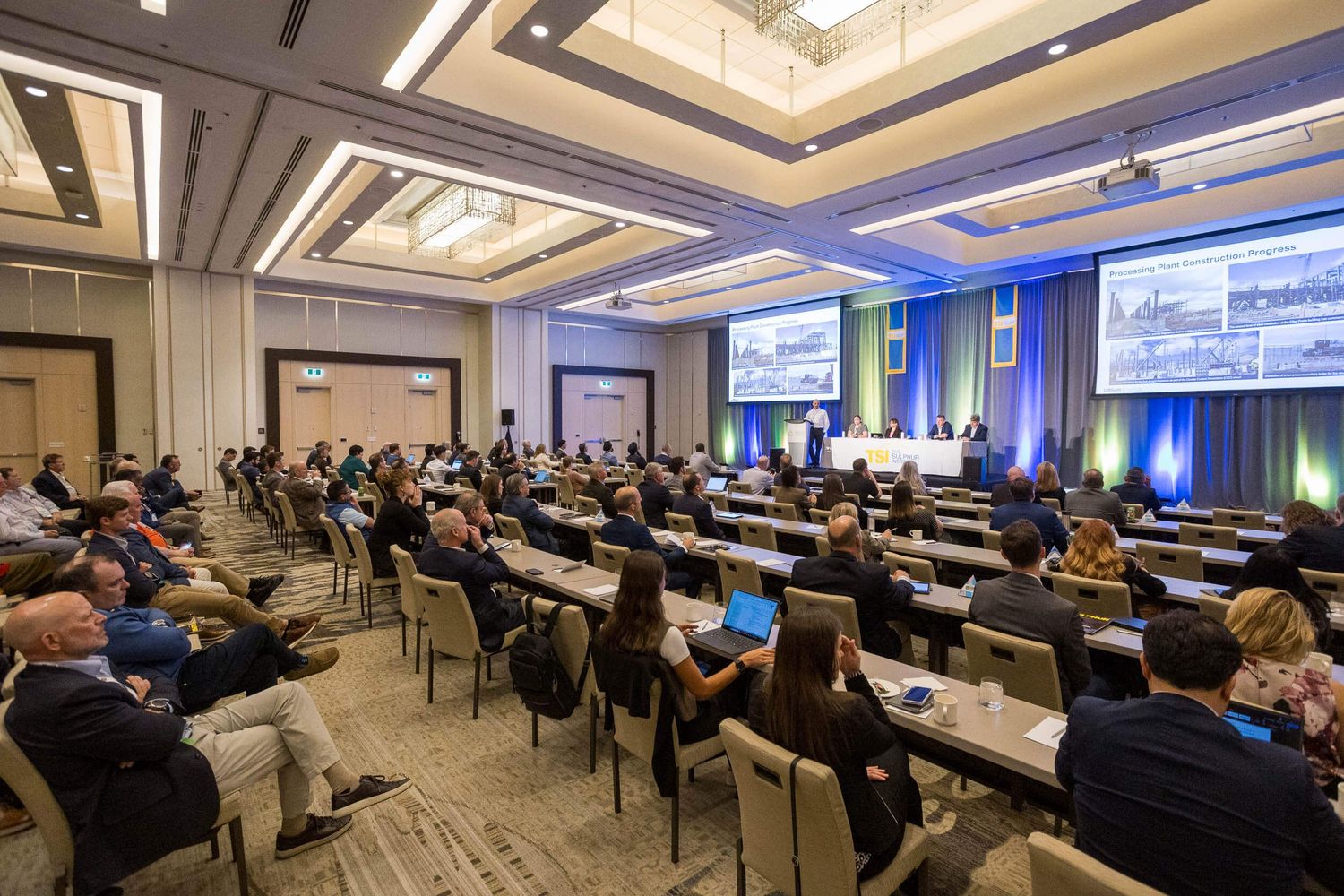
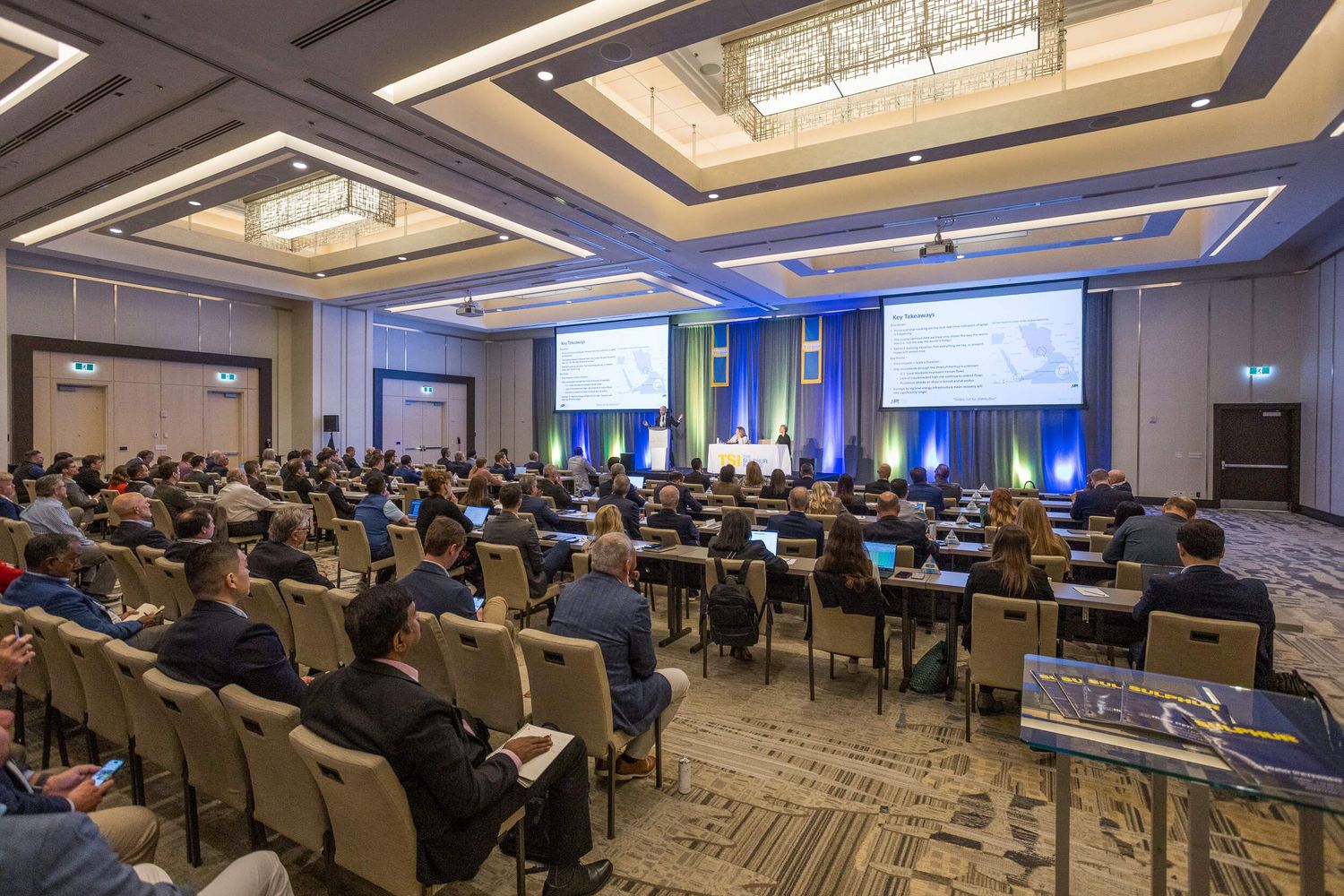
This is the person whose name is on the budget. They need proof the event did what it was supposed to do. That usually means the keynote at the exact moment it lands, the room full and engaged, and the handful of images that make the recap deck look like the event was worth the spend. If a photographer is chasing candid moments the whole time and misses the beat where the CEO makes the announcement, the client's own recap suffers, even if every other photo is beautiful.
2. The Sponsors
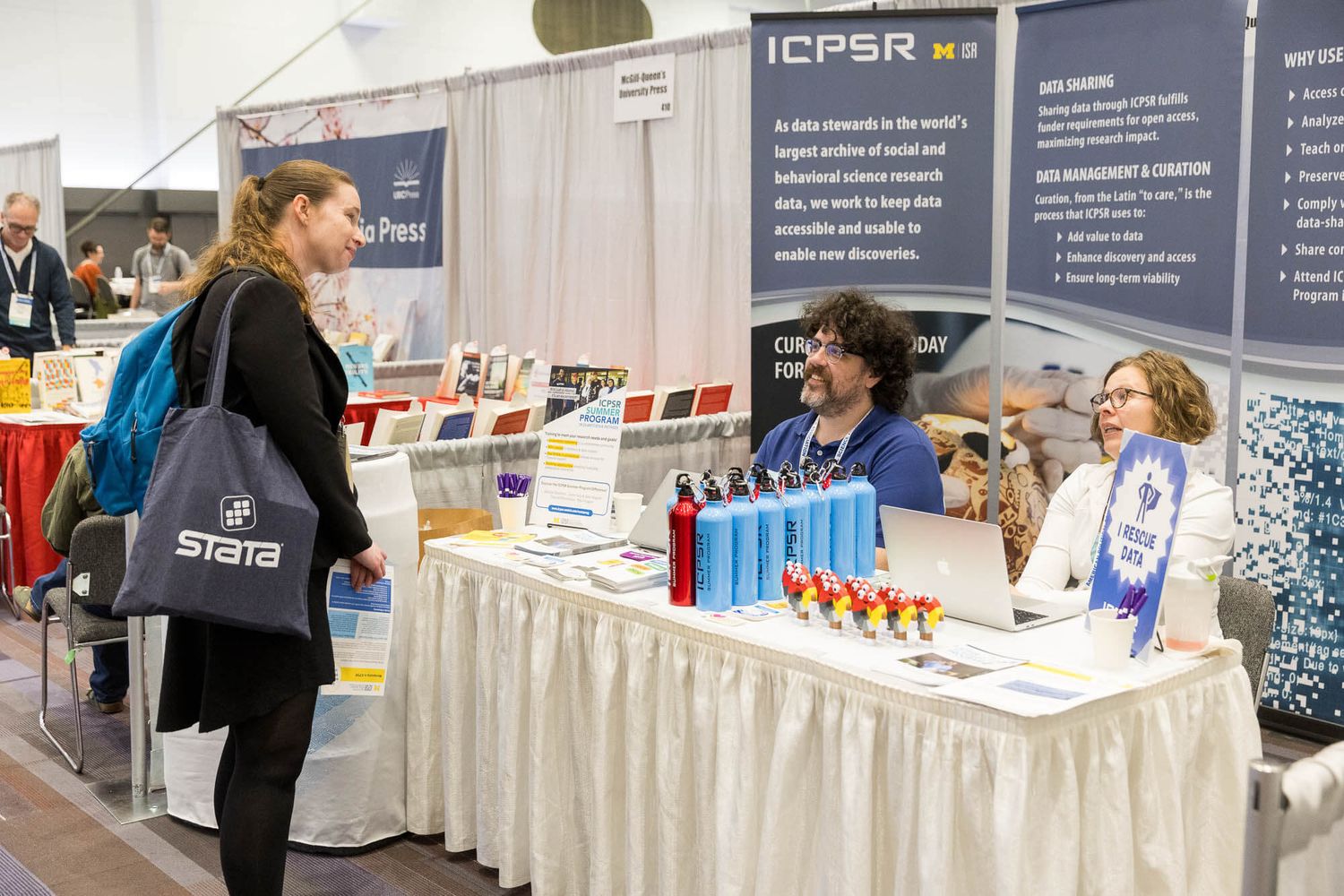
Sponsors are paying for visibility, and their idea of a good photo is not always the most interesting one. It is the one where their logo is legible, their booth has visible traffic, and their branded backdrop is not blocked by a stray attendee. This is the part of the job that has nothing to do with artistic instinct and everything to do with knowing, before the event starts, which brands are in the room and treating their signage like part of the shot list, not a background detail.
3. The Agency Itself
The agency producing the event needs its own proof of work. A few polished, well-composed images that could sit in the agency's own portfolio or next pitch deck, not because they are self-serving, but because agencies get hired again partly on the strength of what their past events looked like. A photographer who understands this will pull aside two or three setups purely for that purpose, separate from the client-facing recap.
4. The Attendees
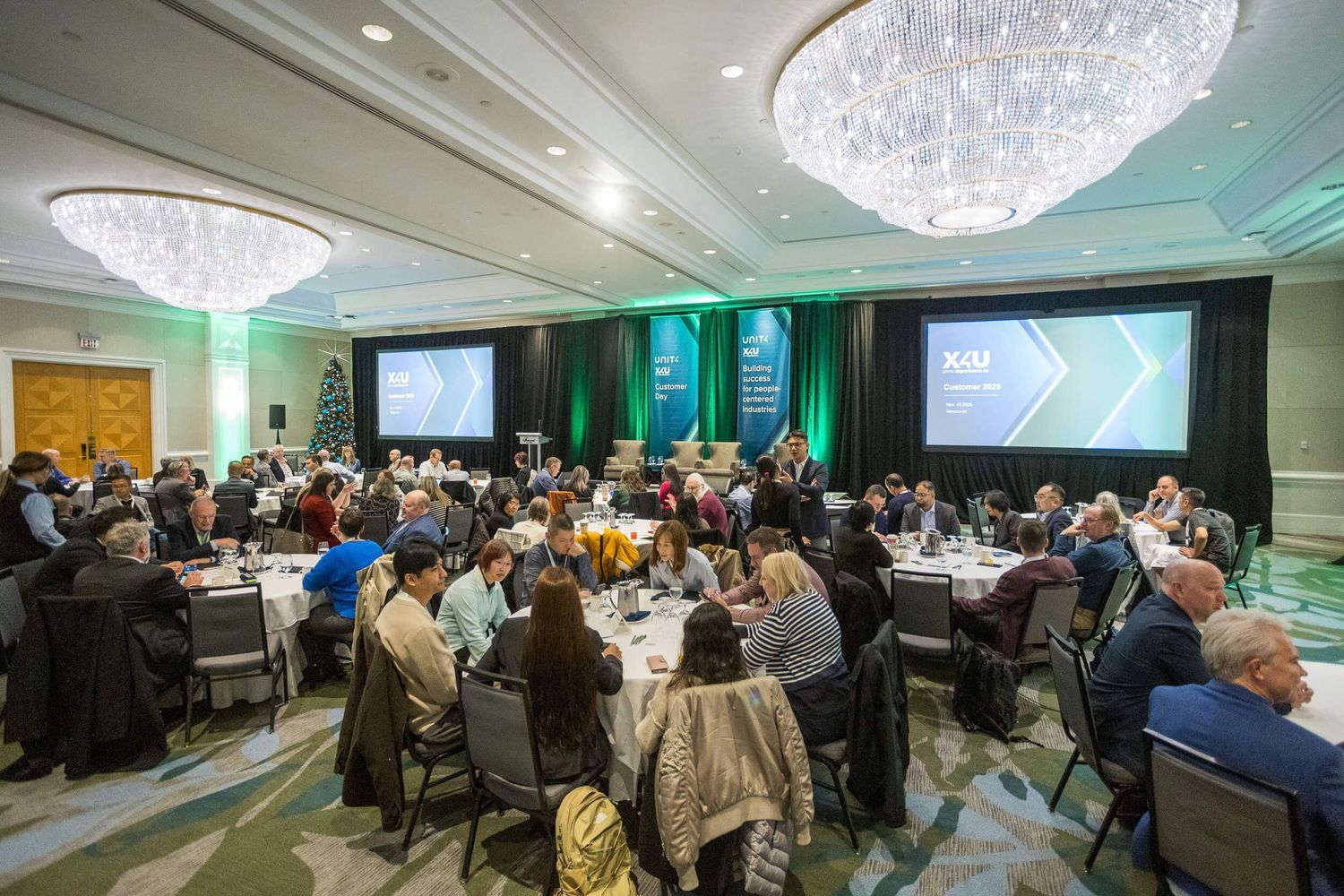
Attendees rarely show up in a client's highlight reel, but they are the ones most likely to actually engage with the photos, tag themselves, and share them. Real interactions at the booth, people mid-laugh at the networking reception, the moments that feel like they belong to the person in them rather than to the brand. Skip this audience and the event photography can look impressive and still generate almost no organic reach.
5. Next Year
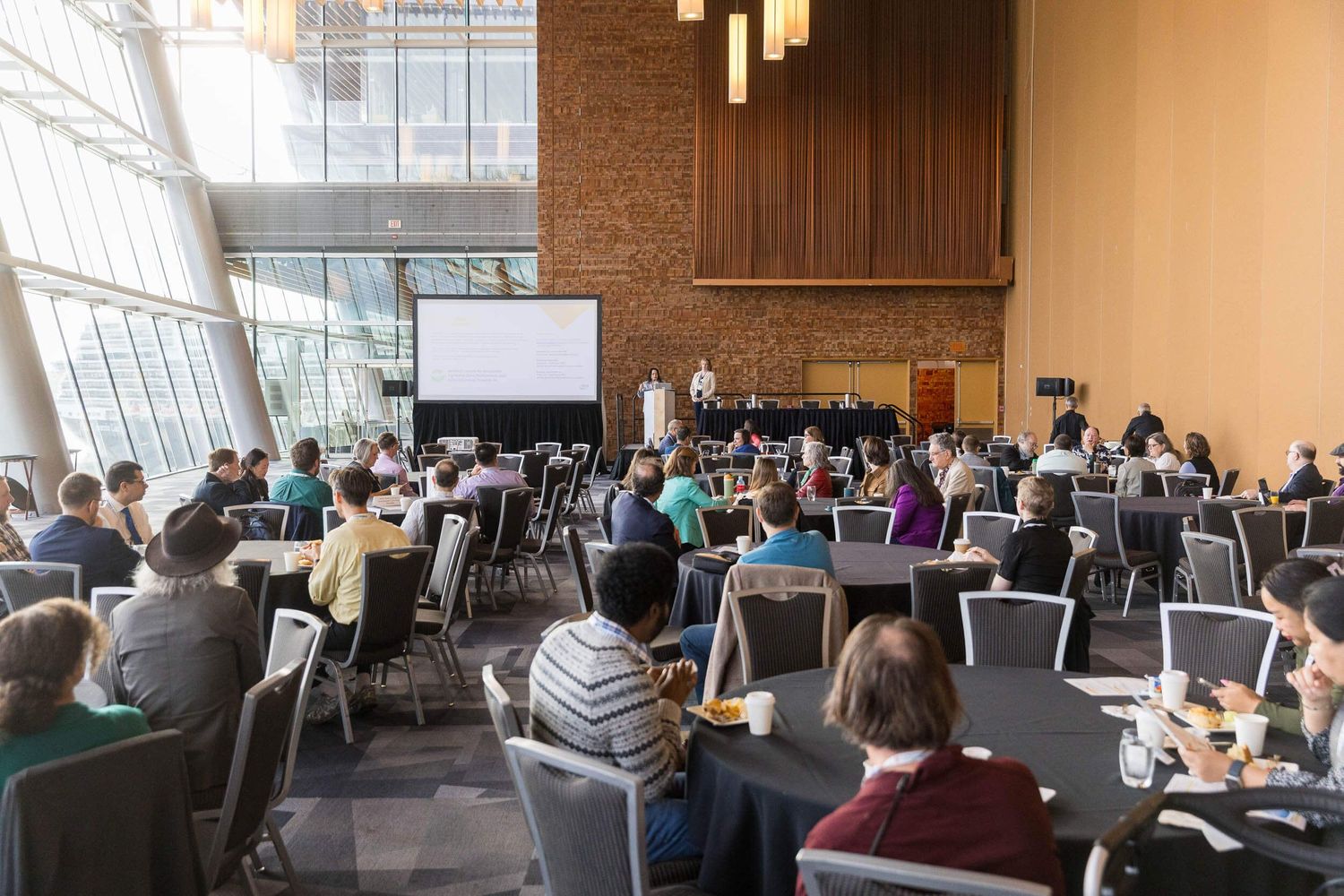
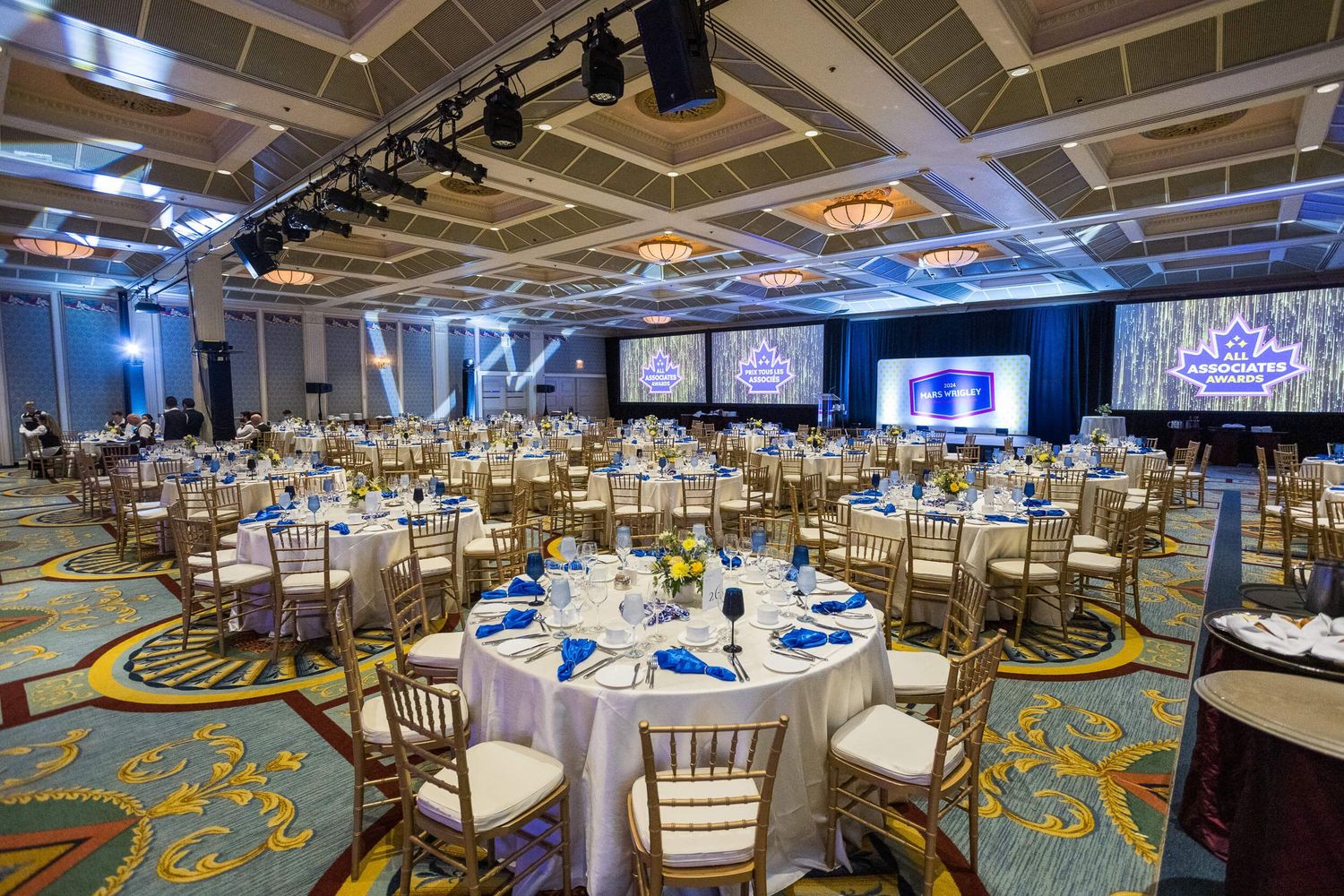
Conferences repeat. Sponsorship decks get rebuilt. Sales teams pitch next year's edition using this year's photos. That means a handful of wide, clean, timeless shots, the empty room before doors open, the signage, the general atmosphere, matter more a year later than they do the day after the event. These are the images nobody asks for in the debrief and everybody needs eventually.
What This Actually Changes
None of this requires more time on-site. It requires planning the shot list against five outcomes instead of one, and knowing which of the five a given moment is really serving before the shutter clicks. In practice, that looks like:
- A pre-event conversation about which sponsors and which specific brand elements need coverage, so it is never a last-minute ask
- A shot list that includes two or three portfolio-grade setups for the agency, separate from the client's deliverables
- Deliberate time spent at booths and in networking spaces, not just on the main stage
- A short list of wide, evergreen shots captured regardless of what else is happening that day
The point is not that any one of these audiences is more important than the others. It is that they are all in the room at the same time, and a photographer who is only thinking about one of them is, by definition, under-delivering for the other four.
If you're planning event photography for a conference with multiple sponsors on board, this is the framework worth bringing to whoever you're considering hiring, including us.
Visit our Vancouver Event Photography services page for an overview of our coverage, or contact us to talk about your event's stakeholder needs.