What conference and summit planners should actually look for, and why it's a different hiring decision than a one-day event
Conference event photography is a different hiring decision than a single-day corporate event. Conferences run concurrent breakout sessions, need content flowing to marketing and sponsors during the program rather than only after, and put far more weight on delivery workflow, team scalability, and venue familiarity than a two-hour reception ever will. A photographer who's excellent for a gala isn't automatically equipped for a three-day, multi-track summit.
Here's what to actually evaluate when hiring a conference photographer, and what real conference-specific experience looks like.
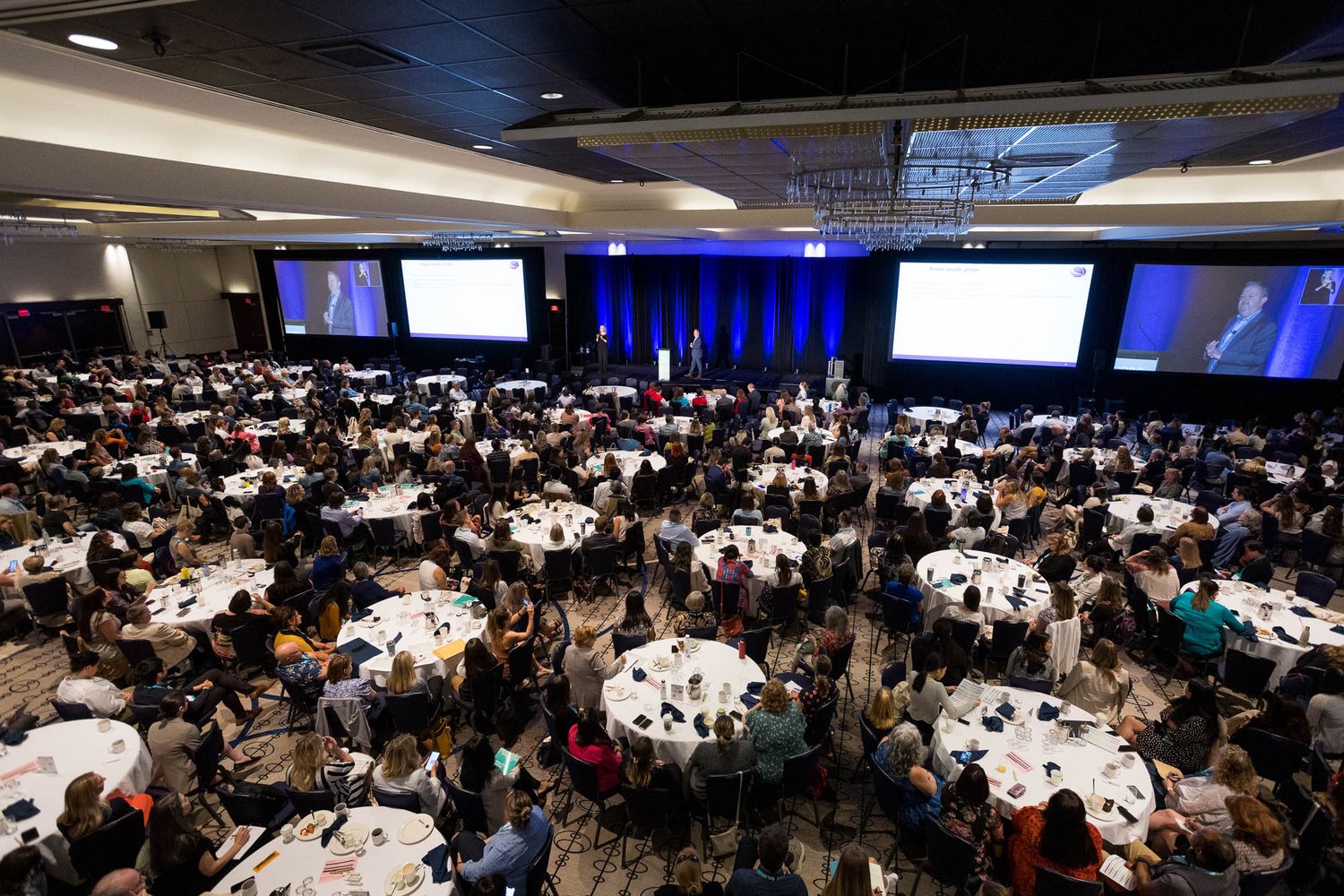
What to Look For in a Conference Photographer
1. A Delivery Workflow Built for Multi-Day Events, Not Just One Day
A single-event photographer typically delivers one gallery, once, a few days after the event. A conference needs content moving during the program: sponsors and marketing teams want assets for same-day social posts, next-morning recap emails, and press before day two even starts.
What to ask: "Do you deliver content daily during a multi-day event, or only after it wraps, and roughly how much should we expect to see along the way?"
A vendor with real conference experience usually has a standing answer to this already, rather than working it out on the spot. Vague answers here ("we'll get you everything after") are worth pressing on, since same-day content is one of the main things sponsors and marketing teams expect from a multi-day program.

2. Coverage That Scales Across Concurrent Sessions
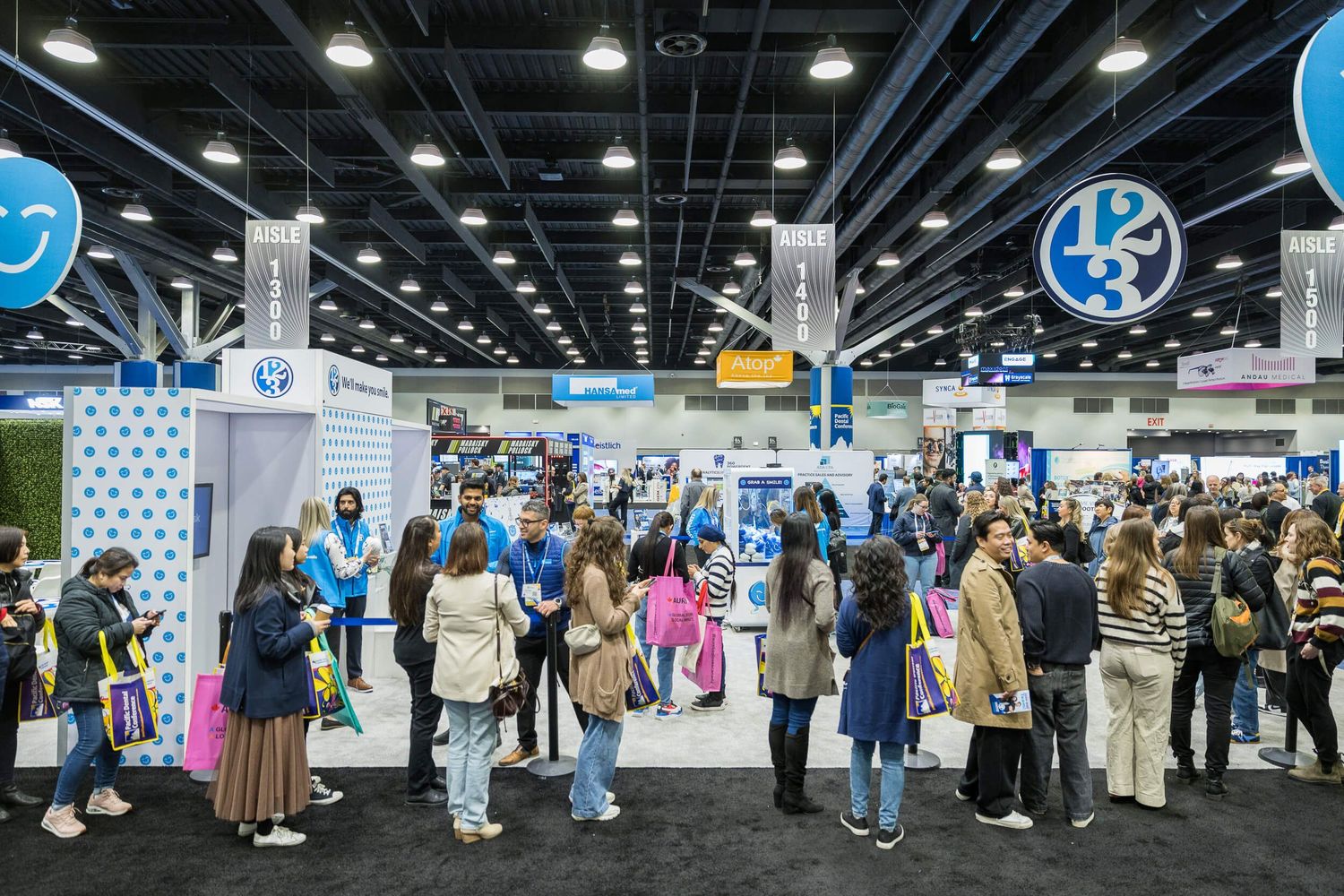
Conferences rarely run one thing at a time. A keynote, three breakout rooms, and an expo floor can all be happening simultaneously, and a single photographer physically cannot be in four places. This is where photographers who are strong for a single-room event often start to struggle.
What to ask: "How do you handle a program with concurrent tracks? Do you bring a second shooter, and how do you decide what gets prioritized?"
The honest answer usually involves a second shooter for anything with genuinely concurrent tracks, along with a coverage plan built around your actual run-of-show ahead of time, rather than figuring it out room to room on the day. If a photographer says one person can cover everything regardless of how many tracks are running, that's worth a follow-up question rather than taking at face value.
3. Whether They Shoot With a Marketing Eye, Not Just a Documentary One
There's a real difference between a photographer who accurately documents what happened at your event and one who captures evergreen images your team can actually use afterward: a clean hero shot for the website, a wide shot with enough negative space for a headline in a deck or an ad, sponsor branding framed clearly rather than caught in passing. A purely documentary approach produces an accurate record of the day. A marketing-minded approach produces evergreen assets your team is still pulling from six months later.
What to ask: Look through a portfolio or a full past gallery specifically for shots that feel usable on their own, not just candid moments, and ask the photographer directly how they think about capturing brand-usable shots versus general coverage. Whether they answer in those terms without being prompted is often the clearest signal.
This overlaps somewhat with the full-gallery question later in this list. The difference is what you're checking for once you see it: not just whether quality holds up across the whole event, but whether a meaningful share of the images are ones your marketing team would actually reach for.
(Our Corporate Event Photography Shot List guide goes deeper on what "marketable" actually looks like shot by shot, if you want a fuller picture before your first call.)
4. Marketing and Usage Rights, Spelled Out Before You Sign
Photographers across the industry handle this very differently, and it's an easy thing to assume rather than confirm: paying for coverage doesn't automatically mean unlimited rights to use the images however you want, wherever you want, forever. Some agreements include broad ongoing usage as standard. Others limit you to a narrow license, social media only, or a fixed time window, with anything beyond that requiring an additional fee.
This matters more for a conference than a one-off event, since conference images tend to get reused for a long time afterward: recruiting materials, annual reports, sponsor decks, next year's promotion, not just the week-of social posts.
What to ask: "What usage rights are included in the base price, and what falls outside of that, paid advertising, out-of-home, use by a sponsor or partner?"
Get the answer in writing before you sign, not as a verbal assumption. A vendor who hesitates or gets vague when you ask this directly is telling you something worth knowing before, not after, the contract is signed.
5. Insurance and Vendor Compliance, Sorted Before You Ask
Large organizations and major venues often have vendor insurance minimums as a hard requirement, not a nice-to-have. Finding this out after you've already picked a photographer is a bad time to find it out.
What to ask: "Can you provide a certificate of insurance ahead of the event, not just confirm you have coverage?"
A photographer who's done corporate work before should be able to produce this without hesitation. If getting a straight answer takes more than a day or two, that's worth noticing before you sign anything, not after.
6. Proof of Sustained Quality Across an Entire Event, Not Just a Highlights Reel
Anyone's portfolio looks good when it's hand-picked. A curated set of someone's best 20 images doesn't tell you whether they can sustain that quality for three full days across dozens of sessions, which is a genuinely different skill than nailing a handful of great shots.
What to ask: "Can I see a full gallery from a past multi-day conference, ideally at a similar venue or scale to ours?"
Not every photographer will be able to say yes. Full galleries usually belong to the client they were shot for, so whether one can be shown depends on whether the photographer built that permission into their own contract ahead of time, which is itself worth noticing. Someone who's thought this through in advance is often the one who's actually done this before.
Even when the answer is no, ask anyway. You're putting real money and your own reputation on the line for a program that only happens once. It's worth confirming, before you sign anything, that the person you're hiring can genuinely handle it.
7. Whether They Can Cover More Than Just Photography
It's common for a request that starts as "we need a photographer" to grow partway through planning: a highlight video for the closing session, executive headshots for speakers or delegates, sometimes both. This tends to surface later in the process, not at the very first conversation, which is exactly when it's most disruptive to discover you need a second or third vendor.
What to ask: "If we end up wanting video coverage or a headshot station alongside photography, is that something you coordinate directly, or would we need to bring in someone else?"
Finding this out early means one contract and one point of contact if the need does come up, instead of scrambling to onboard an unfamiliar vendor mid-planning. Even if you're confident you only need photography today, it's worth asking, since this is one of the more common ways a conference's scope quietly expands.
If you're currently vetting photographers for an upcoming conference, feel free to put these same questions to whoever you're considering, including us. We'd rather earn the booking by holding up under them than by telling you how good we are.
Visit our Vancouver Event Photography services page to see how we can support your program, or reach out directly to talk through your run-of-show.